
Your Guide to Staying Connected with a Travel eSIM
A travel eSIM is a digital SIM card that lets you activate a cellular plan without a physical card, enabling instant connectivity when abroad. It works by downloading a carrier profile to your device, which you can set up before departure to avoid roaming fees. The primary value of a travel eSIM lies in its convenience and flexibility, allowing you to switch between local data plans across multiple countries through a simple app or settings menu. This eliminates the need to hunt for physical SIMs or swap cards during your journey.
Why Your Next Trip Needs a Digital SIM Card
Your next trip demands a travel eSIM because it kills physical SIM hunts and roaming rip-offs. Skip the airport kiosk queues and activate local data instantly from your phone. You retain your home number for banks while running a separate plan for maps and messaging. The real win?
Switching between countries is seamless—no swapping tiny trays, just tap a profile and move on.
One digital card from a platform like Airalo loads multiple regional plans, so you land connected, avoid missed turns, and stay in touch without surprise bills. It is convenience you pack before your socks.
The Hidden Costs of Roaming That Hurt Your Wallet
Traditional roaming can silently drain your wallet through hidden data overage charges. Even a short video upload may trigger unexpectedly high fees, as carriers often bill per megabyte at inflated rates. You might also face daily connection fees just for turning your phone on, plus charges for incoming calls you never answered. Worse, many travelers trigger these costs simply by receiving an automated text from the carrier. To avoid this:
- Disable automatic background app refresh before departure.
- Turn off data roaming in your phone settings immediately.
- Install a travel eSIM before landing to bypass roaming networks entirely.
These steps prevent the surprise fees that often triple your bill.
How an Embedded SIM Keeps You Connected Instantly
An embedded SIM (eSIM) is soldered directly into your phone, so you skip the hunt for a physical card at the airport. The moment you land, your device pings the local network and activates your data plan in minutes—no tiny tray to eject or risk losing. Instant connectivity upon arrival means you can open maps, message your ride, or check in without hunting for Wi-Fi passwords. Just scan a QR code from your provider before departure, and the profile sits ready in your device’s settings, switching on automatically as soon as you’re in range.
An eSIM stays inside your phone, letting you activate a local plan via a quick scan, so you’re online the second you step off the plane without swapping cards.

Comparing Physical SIMs vs. Remote Provisioning
When you travel, remote provisioning with an eSIM leaves physical SIMs in the dust. No more hunting for a local shop or fiddling with a tiny card—just scan a QR code or tap an app to activate data mid-trip. Physical SIMs can get lost, damaged, or require you to remove your primary carrier’s card, risking service gaps. Remote provisioning lets you switch between plans on the fly, keeping your home number active while testing a local data package.
Q: Why isn’t popping in a local physical SIM just as easy as an eSIM?
A: Because physical SIMs mean finding a store, matching the right size, and possibly losing your original card—eSIMs skip all that hassle.
Selecting the Best Mobile Data Solution for International Travel
When selecting a mobile data solution for international travel, the travel eSIM is your most immediate, plug-and-play option. Arriving at Charles de Gaulle, you skip the hunt for a local SIM vendor, instead scanning a QR code sent to your email before departure. The key is mapping data caps to your itinerary—a 5GB plan for a weekend in London might fail you in Tokyo, where you rely on mapping and translation apps hourly. What truly matters is regional coverage versus single-country plans, as a single-country eSIM leaves you stranded when a short train ride crosses borders. Always check if your provider allows top-ups without a new QR code or account setup, sparing you the frustration of re-activation after a long flight.
Key Features to Look for in a Reliable Data Service
When choosing a travel eSIM, prioritize transparent data throttling policies; a provider that caps speeds after a soft limit without warning can ruin streaming or navigation. Look for multi-network roaming ability, ensuring your eSIM automatically connects to the strongest local tower. Verify if the service includes top-up capabilities without needing to buy a new package. Q: What is the most critical feature to confirm before purchasing? A: Confirm if the data is truly «always-on» or if it requires manual network selection, which can fail in remote zones. Real-time usage tracking via an app is also essential to avoid surprise cut-offs.
Understanding Coverage Maps and Network Partnerships
When picking a travel eSIM, don’t just look at the map color—peek at the local network partnerships behind it. A provider might show coverage across a whole country, but that often means they’re https://baztel.co/esim-plans/esim-singapore roaming on a single partner. In rural France, one partner might be fast while another drops to 3G. Check if they connect to multiple networks like Orange and SFR, not just one. This determines if you’ll get strong signal in remote areas or during peak times. Apps let you view these partner lists before buying, so compare them to your itinerary.
Price Plans That Match Short Trips and Long Voyages
When picking a travel eSIM, the best approach is to match your plan to your trip length. For a quick weekend getaway, a small data pack covering just a few days saves you cash without waste. On a month-long adventure or long voyage, look for flexible long-term data plans that automatically refresh or allow top-ups at a lower per-day rate. Many providers now offer tiered pricing, so a 7-day pass for $10 makes sense for a short stay, while a 30-day unlimited option, perhaps for $30, avoids repeatedly buying tiny, pricier packs. Always double-check the plan’s valid period—some expire after 30 days, others let you pause usage across your journey.
Step-by-Step Guide to Activating Your Digital Connectivity
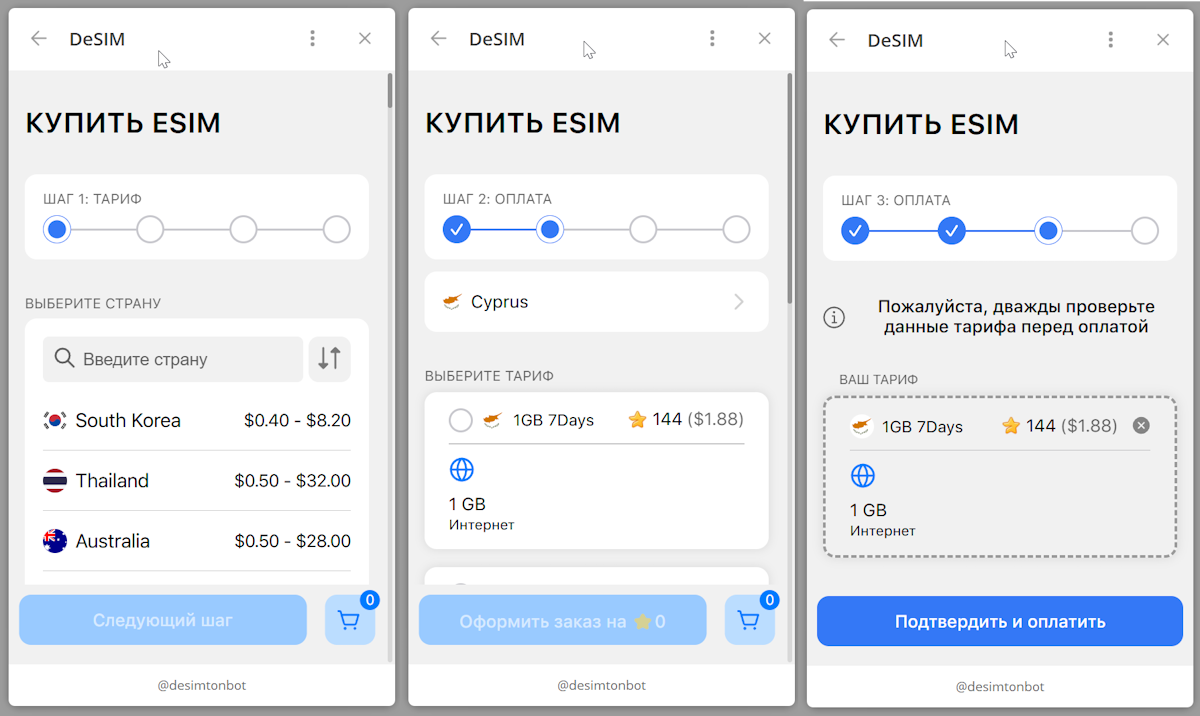
To activate your travel eSIM, first ensure your device is unlocked and connected to Wi-Fi. Locate the QR code or manual activation code provided in your purchase confirmation email. Open your device’s mobile network settings, select “Add eSIM,” and scan the QR code. Follow the on-screen prompts to download and install the eSIM profile. After installation, assign the travel eSIM as your primary data line, while keeping your home SIM for calls or SMS if needed. Then, enable data roaming under the travel eSIM’s settings.
The final step is to restart your phone to synchronize with the local network automatically.
Your digital connectivity should establish within a minute, allowing immediate use of data abroad.
Checking Device Compatibility Before You Depart
Before you depart, verifying your device’s eSIM compatibility is non-negotiable. Check your phone’s settings menu for «Add eSIM» or consult the manufacturer’s official specifications list. Most modern flagships from 2019 onward support it, but many budget or carrier-locked models do not. This single step prevents a costly, frustrating failure upon landing. A quick online search using your exact model number removes all guesswork. Skipping this check risks a wasted purchase, so confirm compatibility now to ensure seamless activation the moment you arrive.
Installing the Profile on iOS and Android Devices
On iOS, activating your travel eSIM requires navigating to Settings > Cellular > Add Cellular Plan and scanning the provided QR code. For Android, go to Settings > Connections > SIM Card Manager > Add eSIM, then scan the QR code. If prompted, manually enter the confirmation code from your provider. Once scanned, the profile installs automatically; you may need to label it (e.g., «Travel Data») to avoid confusion with your primary line. Ensure «Data Roaming» is toggled on for this new profile. Profile installation success depends on a stable Wi-Fi or primary network during setup.
Q: What if the QR code doesn’t scan?
A: Most providers offer a manual entry option—copy the SM‑DP+ address and activation code from your email into the «Enter Details Manually» field in your device’s eSIM settings.
Managing Multiple Plans for Different Destinations
Managing multiple plans for different destinations requires organizing each eSIM by region or country within your device’s settings. Label each plan clearly with the destination name and validity period to avoid confusion when switching. Activate only the relevant plan upon arrival to prevent data conflicts or accidental roaming charges. Travel eSIM plan stacking allows storing several inactive profiles simultaneously. For multi-leg trips, deactivate the current plan before enabling the next destination’s profile. Always keep a primary plan as a fallback for emergency connectivity across all regions.
Top Regions Where Virtual SIMs Make the Biggest Difference
Virtual SIMs make the biggest difference in regions like East Asia, where travelers to Japan, South Korea, and China bypass expensive roaming and local SIM registration hurdles. In the Middle East and Africa, eSIMs provide instant connectivity across fragmented networks in the UAE, Saudi Arabia, and Kenya. Remote islands such as the Maldives and Bali also benefit, avoiding retail kiosks. Q: Where do virtual SIMs save the most money? A: Across Southeast Asia, where daily data plans cost under $2 compared to roaming fees of $10+.
Staying Online Across Europe Without Switching Cards
Traveling across multiple European countries, a user avoids the logistical hassle of sourcing and swapping local SIMs at each border. Instead, a single travel eSIM for Europe provides seamless, multi-country coverage under one data plan. Activation before departure or upon landing in the first country is a one-time step; thereafter, the phone remains online as you move from, say, Belgium to Germany, because the virtual profile automatically connects to local partner networks. This eliminates roaming alerts, physical card storage issues, and the risk of losing service mid-journey.
- No need to find, purchase, or insert a new physical SIM upon entering each new EU state.
- One consistent data allowance applies across all included European countries, simplifying budget tracking.
- Automatic network switching prevents service gaps when crossing borders by train or car.
Asia-Pacific Hotspots: From Japan to Australia
From Japan’s lightning-fast bullet trains to the remote beaches of Australia, an eSIM keeps you connected without hunting for local SIMs. In Tokyo, you’ll navigate transit apps instantly; in Sydney, you can stream maps while exploring the Opera House. Jumping from a bustling Osaka market to a quiet Bali rice terrace? A travel eSIM for Asia-Pacific hotspots lets you switch networks seamlessly. In Australia’s Outback, you’ll rely on stable coverage for directions, while in South Korea, you’re online for quick food stall payments. No swapping cards, no fiddling with settings—just stay online from Hokkaido to the Great Barrier Reef.
North America and Beyond: Coverage for Business and Leisure
For a business trip spanning New York, Toronto, and London, or a leisure escape from Vancouver to Cancún, a travel eSIM eliminates the hassle of swapping physical cards. Coverage extends seamlessly across the continent and beyond, letting you navigate city streets, book last-minute excursions, or join a video call without hunting for Wi-Fi. The key benefit is uninterrupted connectivity across North America for both work and play. This means you can:
- Activate a single plan covering the U.S., Canada, and Mexico, then add regional data for Europe or the Caribbean.
- Use instant top-ups for a spur-of-the-moment layover in Bermuda or a remote Alaskan lodge.
- Keep your home number active for two-factor authentication while using a local data package for maps and streaming.
Overcoming Common Pitfalls of Mobile Data Abroad
The biggest pitfall with mobile data abroad is landing to a dead phone, often because a physical SIM is locked or simply fails to activate. An eSIM solves this by letting you buy and install a data plan before you even leave home. This pre-installation means you avoid the airport kiosk scramble. Another common headache is burning through a tiny data cap on auto-updates; install the eSIM profile and immediately switch your phone to manual app updates. You also sidestep shockingly high roaming fees by using a local data lane.
The real trick is remembering to keep your primary home SIM disabled for data to prevent accidental charges.
The casual fix is to label each cellular line clearly in your settings.
Avoiding Speed Throttling with High-Volume Plans
To avoid speed throttling abroad, selecting a travel eSIM with a high-volume data cap is your primary defense. Standard plans often throttle speeds after a small fair usage threshold, rendering maps and streaming useless. High-volume plans, typically 10GB or more, allocate a much larger buffer before any slowdowns begin. This ensures consistent performance for navigation and video calls throughout your trip. Always verify the plan’s terms: look for «full-speed data» guarantees rather than vague «unlimited» claims. Prioritizing generous data allowances directly prevents the frustration of connection slowdowns.

Troubleshooting Activation Errors at the Airport
When your travel eSIM fails to activate at the airport, first verify that **device compatibility** is not the issue by checking your model’s eSIM support list. Ensure you are connected to a stable Wi-Fi network, as cellular data may be insufficient for initial activation. Manually input the activation code from your provider if the automatic scan fails—photos of QR codes taken with a different camera angle can resolve scanning errors. Reboot your device after installation to force the carrier profile update. If errors persist, toggle Airplane Mode or manually select the eSIM’s network in your carrier settings.
How to Keep Your Primary Number Active While Using This Tech
To keep your primary number active while using a travel eSIM, enable **Wi-Fi Calling** before you depart. This routes calls and SMS over your data connection, sidestepping roaming fees. Also, in your phone’s cellular settings, turn off “Data Roaming” for your primary SIM but leave the line “On” for calls and texts. Your local carrier will see this as standard network usage, not roaming, so your number stays active without triggering daily charges.
Future Trends in Global Roaming and Connectivity
Future trends in global roaming and connectivity will see travel eSIM evolve into a seamless, multi-network experience. Devices will automatically switch between local towers and satellite backhaul, ensuring connectivity in remote areas without manual intervention. Speed-tiered plans will become standard, letting users prioritize bandwidth for video calls or real-time navigation. The crucial shift is toward permanent, global data buckets that never expire, eliminating single-trip purchases. Real-time eSIM switching between regional carriers will eliminate dead zones, making connectivity as passive as cellular voice. Your phone will treat global roaming like its home network, with no activation codes or app logins required.
The Rise of Unlimited Data Bundles for Frequent Flyers
For frequent flyers, the rise of unlimited data bundles transforms travel eSIM usage by removing data anxiety across multiple countries. These bundles, often spanning entire regions like Europe or Asia, eliminate the need to monitor daily caps during layovers or multi-leg journeys. Prioritized high-speed access manages congestion at airports, while fair-use policies typically reset per billing cycle. Users benefit from a single purchase covering a month-long trip, with automatic carrier switching for consistent connectivity. This simplified approach replaces the complexity of local SIM cards or daily top-ups, making regional unlimited plans a practical choice for seamless roaming across frequent flight itineraries.
Integration with Wearables and IoT Devices
Travel eSIMs will soon turn your smartwatch, fitness tracker, or luggage tag into a fully connected travel companion. Instead of just your phone hopping onto a local network, your wearable and IoT device roaming will happen automatically through the same eSIM profile. That smart ring could tap you into transit gates, and your GPS collar on a pet’s suitcase could report its location back to you without a separate plan. Q: Will my smartwatch get its own data plan? A: Not necessarily—most travel eSIMs will let you share your phone’s data pool with your wearable, so your watch can stream maps or music while your phone stays in your bag.
What 5G Means for Seamless Overseas Connections
For travelers using an eSIM, 5G fundamentally eliminates the latency that once plagued cross-border video calls or live navigation rerouting. The technology enables near-instantaneous handoffs between foreign networks, making high-bandwidth roaming feel local. This means you can upload large files from a remote café or start a cloud-based collaboration session without buffering, as 5G’s core architecture prioritizes continuous data sessions over patchy reconnections. The practical result is a frictionless experience where switching countries no longer interrupts real-time applications.
5G transforms overseas eSIM connections by erasing lag and ensuring high-bandwidth tasks flow without interruption across borders.