
Affordable eSIM Plans for Budget Travelers and Daily Use
Cheap eSIM plans are the ultimate budget travel hack, slashing roaming costs instantly. They work by letting you download a digital SIM directly to your phone, activating data without a physical card. With remarkably low rates for global coverage, you simply purchase, scan a QR code, and connect in seconds. They offer hassle-free, affordable connectivity that puts costly traditional roaming to shame.
Finding Affordable eSIM Options for Travel
Finding affordable eSIM options for travel requires comparing regional versus global plans, as a country-specific plan is often cheaper than a broad regional one. Data-only eSIMs typically cost less than plans with voice and SMS, making them preferable for budget travelers. Use comparison websites like esimdb or esim-finder to filter by price and data allowance. Activating a local eSIM upon arrival can be more economical than a pre-trip international plan. However, avoid plans with extremely low data caps that might trigger costly top-offs. Be aware that some cheap eSIMs deprioritize data speeds during network congestion, which can impact navigation and messaging. Always verify plan validity against your trip duration to prevent unused charges.
Regional Data Packs That Won’t Break Your Budget
For travelers seeking pocket-friendly connectivity, regional data packs that won’t break your budget bundle multiple countries into one plan, slashing costs versus single-nation buys. Stick to providers offering 1–5 GB for under $10 across zones like Europe or Southeast Asia. Validity matters—a 7-day pack often beats a 30-day plan if you’re moving fast.
- Choose packs covering your entire route to avoid topping up per border.
- Look for plans with 4G/5G speeds, not throttled base connections.
- Compare data rolls—some providers let unused GB transfer to your next trip.
Comparing Prices Across Top eSIM Providers
When hunting for cheap eSIM plans, directly comparing prices across top providers like Airalo, Holafly, and Nomad reveals significant variance for identical destinations. You must check per-gigabyte costs, not just total plan prices, as regional packages often undercut country-specific ones. For instance, a 10GB global plan may be pricier than a 10GB Europe-only plan from a different provider. Use aggregation sites to overlay price per GB across providers, focusing on your exact data needs rather than flashy promotions. Direct price comparison across providers often uncovers a hidden 30% price gap for the same coverage area.
Comparing prices per gigabyte across providers, rather than just total cost, is essential for securing truly cheap eSIM plans.
How to Identify Hidden Fees in Low-Cost Plans
When scanning cheap eSIM plans, always read the fine print on data throttling and top-up costs. A low upfront price often hides fees for reactivating expired data or for minimum top-up amounts that exceed your needs. Check if the plan automatically renews at a much higher rate and what the cancellation penalty is. Verify if voice and SMS are charged per-second or per-minute, as rounding up inflates costs. Finally, confirm there is no activation or “service fee” added at checkout—these hidden charges can double the advertised price.
Best Budget-Friendly eSIMs for Short Trips
For short trips, budget-friendly eSIMs like Airalo and Nomad Japan eSIM offer the cheapest pay-as-you-go plans, often under $5 for 1GB valid for a week. Prioritize regional packages over country-specific ones for cross-border travel, as they slash costs. Avoid data-heavy plans; a cheap eSIM plan with 3GB is ample for maps and messaging over 5–7 days. Always install the eSIM before departure to sidestep roaming fees. For ultra-low budgets, look for providers offering 1GB plans for $2–$3, which cover essential navigation and WhatsApp without waste.
Daily Passes Under $5 for European Travel
For short European trips, you don’t need to blow your budget on data. Many providers now offer daily passes under $5 for European travel, giving you full-speed access without a long-term commitment. These plans typically reset every 24 hours, so you only pay for the days you actually roam. They are perfect for city-hopping because you can activate a pass on a heavy mapping day and skip it when you are lounging at your hostel.
- Plans from Airalo and Holafly often start around $3–$5 for a single day of unlimited or high-capacity data in Europe.
- Some passes let you top up instantly via an app, so you never overpay for unused days.
- Coverage usually rolls across major EU countries, meaning one pass works in Paris, Rome, and Berlin without extra fees.
Flexible Top-Up Options for Weekend Getaways
For weekend getaways, prioritize flexible top-up options that allow you to add small, low-cost data packages as needed. Rather than buying a fixed multi-day plan, select an eSIM provider offering pay-as-you-go replenishment in 1GB or 2GB increments. This avoids paying for unused data when your trip is only two or three days. After consuming your initial bundle, simply top up with a short-term booster—often valid for just 24 hours—keeping total costs under $5. Confirm the provider supports instant recharges via app or website, ensuring seamless connectivity without overcommitting to a larger, pricier plan.
Pay-As-You-Go vs. Prepaid Data Packs
For short trips, prepaid data packs often win over pay-as-you-go. A fixed, upfront cost for a set data allowance eliminates bill shock and gives you predictable spending. Pay-as-you-go, where you add small top-ups, can seem flexible but quickly becomes expensive per megabyte. Prepaid packs are simpler: you buy a 1GB, 3GB, or 5GB plan, it activates immediately, and it usually lasts 7–30 days. This clarity lets you budget perfectly for your trip.
- Prepaid packs offer lower per-MB rates than pay-as-you-go top-ups.
- Pay-as-you-go requires frequent manual recharges; prepaid is a one-time purchase.
- Prepaid plans have a clear expiry date, making them ideal for short trips.
Value-Focused eSIMs for Long-Term Stay

For a long-term stay, value-focused eSIMs offer the lowest per-GB cost among cheap esim plans by eliminating daily activation fees. You should prioritize plans with 30, 90, or 365-day validity windows, as these budget-friendly esim options provide flat-rate data pools specifically designed for extended use. Always verify that the plan allows local network peering at the destination to avoid throttled speeds on prolonged stays. Avoid short-term tourist eSIMs that reset high costs monthly; instead, choose a single, large data package from a regional provider that covers your entire trip duration. This strategy ensures predictable, low spending without recurring purchase hassles.
Monthly Plans with Generous Data Allowances
For long-term stays, monthly plans with generous data allowances offer the best balance of cost and connectivity, often providing 20GB to 60GB at a fraction of postpaid prices. Look for plans that auto-renew or allow multi-month purchases to avoid losing unused data. Some providers roll over unused gigabytes, extending the value further.
- Plans often include 5G access at no extra charge, ensuring high-speed browsing.
- Watch for fair-use data caps that throttle speeds after exceeding the allowance.
- Local calling minutes are occasionally bundled, useful for utilities or appointments.
Yearly Subscriptions for Digital Nomads
For digital nomads, a yearly eSIM subscription eliminates the monthly hassle of renewing while locking in the lowest per-GB rate for long-term data usage. These plans typically offer a fixed high-data cap, such as 100–500 GB over the year, which suits nomads who rely on constant connectivity and would otherwise overpay for short-term rolling plans. Yearly subscriptions for digital nomads often include global roaming across multiple regions without extra fees, simplifying budgeting. What happens if I use all my data before the year ends? Most providers allow top-ups at the same discounted rate, though you lose the flat-fee advantage if you deplete early. Choose a cap that matches your average monthly consumption to avoid this.
Stacking Discounts with Multi-Country Coverage
Stacking discounts with multi-country coverage requires a strategic approach to maximize savings on cheap eSIM plans during long-term stays. First, identify providers offering tiered volume discounts across all target countries, not per nation. Then, layer these with referral credits or promo codes before purchasing a regional plan, as percentage-based discounts apply to the total, not individual zones. Multi-country coverage stacking works best when you combine a grandfathered loyalty discount with a new-user promotion, ensuring the discount triggers only on plans that include all required destinations. Avoid splitting coverage across separate SIMs, as this prevents stacking the bulk rate reduction.
- Select a regional eSIM plan that covers every country in your itinerary under one data pool.
- Apply any available coupon codes that reduce the base price before checkout.
- Activate a referral link from a current user to receive additional credit, which stacks on the already discounted total.

Money-Saving Tips When Choosing a Virtual SIM
To maximize savings with cheap eSIM plans, always compare local data-only packages rather than global ones, as regional eSIMs often cost a fraction. Avoid plans with auto-renewal for short trips; purchase a single-use, fixed-data bundle instead. Leverage referral bonuses from eSIM providers to get immediate discounts on your first plan. For extended stays, buy a larger, longer-duration eSIM upfront, as per-day rates drop significantly. Lastly, check if your eSIM supports free incoming SMS, which lets you receive verification codes without paying for a voice or full calling plan.
Using Referral Codes and Introductory Offers
When selecting cheap eSIM plans, leveraging referral codes and introductory offers directly reduces your initial outlay. Many providers grant immediate account credits or discounted first-month rates when you use a current subscriber’s unique referral link. Separately, introductory offers often provide a fixed data allowance at a steeply reduced price for the first billing cycle. To maximize savings, pair a friend’s referral code with a new-user promo—ensuring both discounts apply at checkout. Always verify the offer’s expiry date and any auto-renewal price hike afterward, as the temporary reduction can be substantial but requires switching or cancelling to maintain the low cost.
Timing Your Purchase Around Promotional Seasons
To lock in the lowest rates, sync your purchase with major promotional seasons like Black Friday, Cyber Monday, or back-to-school sales. eSIM providers often slash prices by 40–60% during these windows, offering annual plans at a fraction of the regular cost. You can also target regional holidays—for instance, travel eSIMs frequently drop during summer or winter vacation rushes. Avoid impulse buys; instead, bookmark a provider’s deal page and set an alert. Waiting even a few weeks for a flash sale can slash your total spend, making a premium plan suddenly affordable. Just double-check the activation window to ensure the promo aligns with your actual trip dates.
Opting for Data-Only Plans Over Voice-Plus Deals
For budget-conscious travelers, opting for data-only eSIM plans is a decisive cost-cutting strategy. Voice-centric bundles include subsidies for minutes and SMS you rarely use abroad, inflating the base price. A pure data plan strips out these redundant services, delivering a lower per-gigabyte cost. This is ideal if you rely on VoIP apps like WhatsApp or Telegram for calls and texts over Wi-Fi or your data connection. By paying strictly for mobile bandwidth, you eliminate charges for idle voice lines. Ensure your smartphone supports VoIP and that you have a stable data connection to replace traditional cellular voice functionality. The savings directly offset any need for a voice line.
Comparing Network Quality in Low-Cost eSIMs
When comparing network quality in low-cost eSIMs, the trade-off usually hinges on priority vs. price. Cheap esim plans often rely on secondary network access, meaning you may experience slower data speeds during peak congestion compared to a direct provider plan. However, many budget eSIMs aggregate multiple local networks, which can actually improve reliability in areas where a single carrier fails. Speed tests tell only half the story; latency and packet loss often matter more for real-time apps. For consistent performance, avoid plans from unknown resellers that lack clear roaming partnerships. Your best bet is a low-cost eSIM that openly lists its host networks. Ironically, the cheapest plan might offer better rural coverage than a premium one if it patches together weaker, but more numerous, signals.
Which Carriers Offer Speed Without High Costs
For reliable speed without high costs, Airalo and Nomad eSIMs are solid picks, often tapping into T-Mobile or local 5G networks in the US. In Europe, Holafly’s unlimited plans offer zippy data on Orange or Vodafone without throttling. Meanwhile, Ubigi surprises with fast LTE on Japan’s NTT Docomo for under $10. Check the table below for a quick carrier comparison.
| Carrier | Typical Network | Speed Promise |
|---|---|---|
| Airalo | T-Mobile / Local 5G | Good for streaming & maps |
| Holafly | Orange / Vodafone | Full speed, no throttling |
| Ubigi | NTT Docomo | Fast LTE even on budget |
Evaluating Coverage in Popular Tourist Destinations
When evaluating coverage in popular tourist destinations for a cheap eSIM plan, prioritize checking provider-specific coverage maps for the exact cities and landmarks you’ll visit. A plan with broad national coverage may still perform poorly in dense urban centers or remote beaches. Verifying crowd-sourced coverage feedback from recent travelers is crucial, as it reveals real-world speeds during peak seasons. Within a single destination like Paris or Bali, network access can vary drastically between the airport, your hotel, and popular squares. For a reliable connection at famous sites, select a low-cost eSIM that explicitly lists strong local roaming for those specific zones, rather than relying on vague regional promises.
5G Access on Inexpensive eSIM Arrangements
Inexpensive eSIM arrangements now reliably deliver 5G access on budget-friendly data plans, but network bands and speed caps vary by provider. You must check carrier compatibility, as some low-cost eSIMs restrict 5G to specific regional towers or throttle speeds after a soft cap. Even budget eSIMs can offer usable 5G for streaming and browsing if you select a plan with explicit high-speed data allowances and low-latency support.
- Prioritize eSIMs listing n71, n78, or n260 5G band support for broader coverage.
- Verify the plan’s “true unlimited” 5G speed limit, often 10–50 Mbps on cheap arrangements.
- Check if 5G access requires a minimum top-up (e.g., $5 or 1 GB purchase).
Hidden Gems: Niche Providers With Low Rates
For travelers seeking cheap esim plans, hidden gems are regional niche providers who undercut major brands by focusing on single countries or specific zones. Operators like Airalo’s local partner esims or Nomad’s country-specific packs often offer 5-10 GB for under $5 in Europe or Asia—rates mainstream global plans cannot match. A key insight is that these low rates typically come with throttled speed on congested networks or limited 4G-only access, not 5G priority. They also may lack customer support beyond basic chat. Still, for a short trip or backup data, they deliver exceptional value.
Examine the fine print: these cheap esim plans often exclude voice calls and can’t be refilled—they are single-use, preloaded data packages designed for pure cost savings.
For example, a local Brazilian provider may sell 15GB for $3, while a global plan costs $15 for the same data.
Startups Disrupting the Roaming Market
Tired of extortionate carrier roaming fees? A wave of agile startups is flipping the script by offering cheap eSIM plans that connect you directly to local networks. These disruptors avoid old-school roaming partnerships, slashing costs for travelers. Instead of paying for a global pass, you buy a regional eSIM from a new player, getting local rates for international travel with just a QR code. Suddenly, data in a foreign country costs the same as your home phone bill, making permanent roaming or multi-country trips genuinely affordable.
Regional Brands Offering Localized Discounts
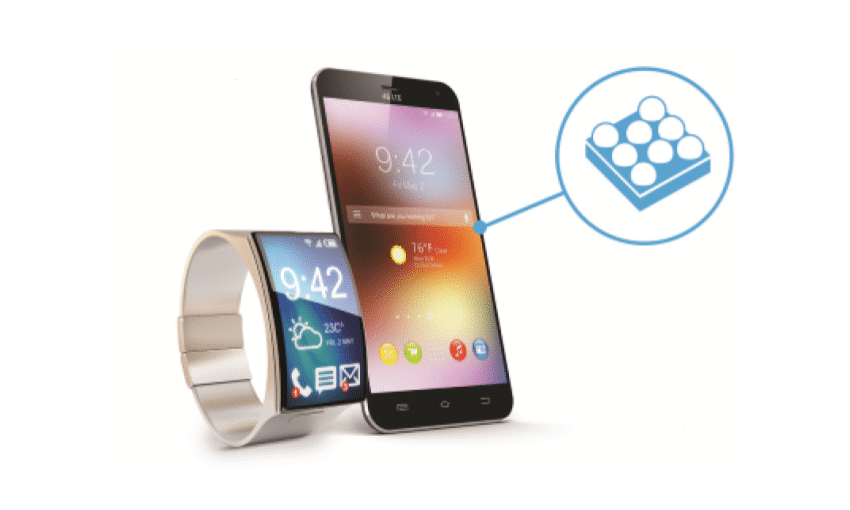
Regional brands like Airalo, Nomad, and local carriers often offer region-specific eSIM discounts that major global providers cannot match. For example, a Southeast Asia eSIM from a local provider like eSIM2Fly gives heavy discounts for multi-country passes within ASEAN, while Europe-focused brands like Holafly slash rates for single-country plans in Italy or Spain. These discounts are frequently tied to first-time purchase incentives or bundled data packages for adjacent countries, making them ideal for travelers sticking to one specific area rather than globe-trotting.
Bundling Multiple Destinations for One Low Price
Bundling multiple destinations for one low price is a core strategy for budget travelers using niche eSIM providers. Rather than buying separate plans per country, you select a single regional package that covers, for example, all of Southeast Asia or Western Europe. This regional eSIM bundle often slashes per-country costs by up to 40%, as the provider spreads infrastructure overhead across borders. Ensure the bundle covers your exact itinerary, as some zoned plans exclude transit countries. For instance, a 30-day “Europe 40-country” pass is cheaper than four sequential national plans.
| Bundle Type | Example Coverage | Typical Savings vs. Single-Country Plans |
|---|---|---|
| Continental | All EU + UK | 30–50% |
| Multi-Region | Japan + South Korea + Taiwan | 25–40% |
| Global Select | 5–10 specific non-adjacent countries | 15–30% |
How to Avoid Overpaying for International Data
To avoid overpaying for international data, compare regional eSIM plans instead of global ones, which often carry inflated per-GB costs. Purchase and activate a cheap eSIM plan only after arriving at your destination, as local networks frequently offer lower rates. Pre-download the eSIM provider’s app and any necessary profiles via Wi-Fi before departure to prevent emergency roaming charges. Monitor your usage through the app’s data counter and top up only with small, targeted data packages rather than expensive monthly plans. Disable automatic carrier selection on your phone and manually attach to the eSIM’s partner network to avoid accidental fallback to your home carrier’s costly roaming.
Checking Device Compatibility Before Buying
Before purchasing any cheap eSIM plan, verify device compatibility by checking if your phone is eSIM-capable and network-unlocked. Crucially, confirm the plan supports your device’s specific model variant—many budget carriers only operate on certain frequency bands. For eSIMs, also ensure your device is not carrier-locked to a legacy provider, as this blocks installation of a new eSIM profile.
Using Price Comparison Tools for eSIMs
To avoid overpaying, start by using a dedicated eSIM comparison tool rather than checking provider sites individually. These platforms aggregate plans from dozens of operators, letting you sort by price, data volume, or validity period for real-time cost comparison. Beware that some aggregators charge a markup, so cross-reference the final price against the provider’s own checkout. For example, entering “7 days, 5 GB” might show a $12 plan from Airalo and a $9 plan from Nomad on the same network. Q: How often do price comparison tools update rates? A: Most refresh daily, but always verify the plan’s active dates on the provider’s site before purchase.

Spotting Limited-Time Flash Sales
To secure the cheapest eSIM rates, treat flash sale alerts as your primary tool. Monitor provider apps and newsletters for countdown-timed offers that slash data bundle prices by 40–60% for 24–48 hours. These sales often target specific regions or high-volume periods, so set notifications. A table below contrasts typical flash sale behavior:
| Signal | Indicator |
|---|---|
| Timer | Shrinking window (e.g., 6 hours left) |
| Stock limiter | «Only 50 bundles at this price» |
| Exclusivity tag | «App-only flash deal» |
Act instantly when you see a sale for your destination—prices revert immediately after expiry.
Family and Group Plans That Reduce Per-Person Cost
Family and group plans are the secret to slashing per-person costs on cheap eSIM plans. By pooling data allowances, everyone gets a lower rate than buying individual cheap eSIMs. Typically, you’ll see savings of 30-50% when sharing a single gigabyte pool. The main concept is that providers discount bulk data, making it ideal for travel groups or households.
The best part is you can often mix different line types, like a heavy user with a light one, to balance costs.
Just ensure your cheap eSIM provider offers easy management for splitting payments and usage alerts within the group.
Shared Data Pools for Couples or Families
A shared data pool for families allows multiple eSIM profiles under one account to draw from a single, larger data bucket, reducing per-person costs compared to individual plans. Each family member’s usage is deducted centrally, so unused data from one person offsets overuse by another. Most eSIM providers let you assign custom speed caps or daily limits per line, preventing a single user from draining the pool. This method works best for couples or small families with predictable, non-simultaneous heavy use, like one streaming while another only navigates.
Q: How does a shared data pool handle simultaneous travel abroad for a couple?
A: Both eSIMs remain active and connected; the pool deducts from the same bucket, so if one partner uses 2GB streaming while the other uses 1GB mapping, the pool covers both without separate plan fees.
Group Discounts Across Multiple Lines
For groups, multi-line eSIM discounts slash per-person costs by pooling data across dozens of plans. Instead of each individual buying a separate travel pass, providers often reduce the second, third, and fourth line by 20–40%, with larger groups earning an even steeper cut. You manage all lines from one account, share a single data bucket, and top up collectively, preventing waste from unused allowances. This turns overlapping trips or family vacations into a unified, budget-friendly plan.
- Discount percentages scale with the number of lines added to one account.
- Shared data pools prevent separate plan waste while maintaining individual connection speeds.
- One bill and one login manage all eSIMs for the entire group.
Child-Friendly eSIM Options With Savings
For families, child-friendly eSIM options with savings often come as pooled data plans. Parents purchase a single bulk data bucket, then allocate a smaller, controlled allowance to each child’s line. This avoids paying for separate full-price plans. To set this up, follow a clear sequence:
- Select a family plan that offers sub-accounts or shared data.
- Assign each child’s device a capped data limit via the provider’s app.
- Enable spending alerts or auto-top-up restrictions for child lines.
Most providers also allow you to pause a child’s data access remotely, preventing overuse without deleting the plan. This structure reduces per-person cost by eliminating redundant base fees while giving parents budgetary control.
Frequently Asked Questions About Affordable eSIMs
When considering cheap eSIM plans, users frequently ask about compatibility and activation. You must first verify your device’s eSIM support and ensure it is carrier-unlocked, as budget providers often operate on specific networks. A common question is data speed reliability; for truly affordable plans, expect throttled speeds after exceeding a high-speed cap rather than outright disconnection. Always confirm the plan’s hotspot tethering allowance, as many cheap eSIMs restrict or block this feature to cut costs. Regarding top-ups, most affordable providers offer on-the-fly data refills, but some cheaper plans expire entirely if not used within a strict validity window, so check the grace period carefully. For travel, multiple cheap eSIMs can be installed simultaneously, but you must manually switch between them for data use.
Can You Get Unlimited Data for Under $10?
Finding true unlimited data for under $10 via a cheap eSIM plan is extremely rare. Most budget eSIMs in this price range offer capped high-speed data, typically 1GB to 3GB, before throttling to 2G or 3G speeds. You cannot get a plan that provides unrestricted, full-speed unlimited data for that cost. Some regional eSIMs claim “unlimited” but enforce a strict fair usage policy after a few gigabytes, effectively making them limited. For truly unlimited, high-speed data, you must expect to pay significantly more. Affordable eSIMs under $10 are best for light data usage, not heavy streaming or tethering.
Getting genuine unlimited data for under $10 via a cheap eSIM is not possible; you will only find capped high-speed plans with throttled access after a small data allowance.
What Happens When Your Low-Cost Plan Runs Out?
When your low-cost plan runs out, connectivity stops immediately to prevent surprise charges. You can recharge your cheap eSIM plan from the provider’s app or website within seconds. Typically, you have three options:
- Reactivate the same plan for another cycle at its low rate.
- Purchase a new, similarly affordable data pack if your needs have changed.
- Let the eSIM profile expire without penalty—no contracts lock you in.
This flexibility ensures you control spending without losing your number or needing a new eSIM.
Are Free Trials or Money-Back Guarantees Available?
Free trials for cheap eSIM plans are rare, as low-cost providers typically cannot absorb free data. Money-back guarantees are more common and offer a practical safety net. These guarantees usually apply within a strict window, like 7 or 14 days after purchase. To claim a refund, you must often not have used more than a small fraction (e.g., 100MB) of your data. This threshold is crucial, as exceeding it typically voids the guarantee entirely. Before committing, check the refund policy details. A logical sequence to follow is:
- Verify if the provider offers a money-back guarantee.
- Confirm the refund eligibility period and data usage limit.
- Use only minimal data if you plan to test the service.
- Submit a refund request before the deadline if unsatisfied.
Future Trends in Budget-Friendly Mobile Connectivity
The future of budget-friendly mobile connectivity hinges on ultra-flexible, data-only eSIM bundles that automatically switch between regional networks. Instead of paying for unused talk time, travelers will likely stack a single, cheap eSIM plan with a global data aggregate, enabling seamless, low-cost roaming across multiple countries.
A key insight is that localized, time-limited “micro-plans” will become the norm, allowing users to buy connectivity for specific day trips rather than entire weeks.
This shift will devalue long-term contracts, as budget eSIMs will incorporate AI-driven fallback to the cheapest local tower, ensuring users never pay premium rates for basic coverage.
How New Technology Is Driving Prices Down
New technology is directly slashing eSIM costs by automating provisioning, eliminating physical SIM production and shipping. Cloud-based switching enables carriers to run leaner networks, passing savings to you. This creates competitive pricing for global data as virtual operators leverage software to undercut legacy providers. How does new technology drive eSIM prices down? It replaces expensive hardware with instant digital activation, meaning you pay for data alone, not plastic cards or logistics. This efficiency forces prices into a race to the bottom, securing cheaper connectivity worldwide.
Predicted Rate Cuts for Popular Travel Routes
For frequent travelers, the most anticipated development is predicted rate cuts for popular travel routes, especially across Europe and Southeast Asia. eSIM providers are aggressively lowering data costs for high-demand corridors like London to Paris or Bangkok to Bali. You can already expect specific bundles for these routes to drop by 20-30% within the next six months. This means a 5GB plan for a week in the Schengen Zone should cost under $10, making regional hopping dramatically cheaper than buying separate local SIMs or paying daily roaming fees.
The Rise of Customizable, Low-Cost Data Bundles
The rise of customizable low-cost data bundles fundamentally reshapes how users buy connectivity. Instead of fixed monthly plans, you now assemble personalized packages: select data volume, duration, and app-specific bonuses. This flexibility lets you buy exactly what you need, avoiding waste on unused gigabytes. For instance, a three-day social media pass costs less than a weekly general bundle. How do I know which bundle size to choose? Start by monitoring your eSIM app, which tracks your real-time usage. Many providers now offer small, ultra-short bundles ideal for topping up, giving you total control over spending and zero commitment to bloated plans.