
The evolution of casinos tracing the journey from ancient games to modern marvels
Origins of Gambling in Ancient Civilizations
The roots of gambling can be traced back to ancient civilizations, where various forms of games of chance emerged. Archaeological findings suggest that dice, made from materials like bone or wood, were used in Mesopotamia around 3000 BC. These early games often held religious significance, as people believed they were influenced by the whims of deities, making each roll of the dice a gamble not only of fortune but also of fate. The allure of chance and the thrill of winning were already deeply ingrained in human culture, providing the foundation for the gambling practices that would follow. Today, many enthusiasts can explore these exciting offerings at https://lolajack-ca.org/, where a broad selection awaits.
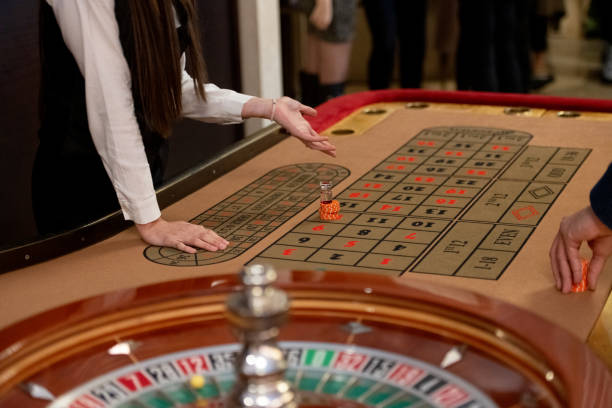
In ancient China, gambling evolved significantly with the introduction of games like Keno and various types of lottery systems. These games were not merely entertainment; they often served as a means to raise funds for public projects. Similarly, in Rome, gambling took on a social aspect, with games played during feasts and gatherings, indicating that the activity was a communal experience. The intersection of chance, social interaction, and cultural significance set a precedent for how gambling would be perceived in later societies.
The early forms of gambling also paved the way for the establishment of rules and regulations, which were initially seen in ancient Greek society. The Greeks had a different approach, often creating games that involved strategy and skill alongside chance. This mix of elements laid the groundwork for the diverse array of games that would eventually populate modern casinos, as societies recognized the potential for both entertainment and profit.
The Rise of Formal Casinos in Europe
The 17th century marked a significant transformation in the gambling landscape with the establishment of the first formal casinos in Europe. Venice was home to the world’s first recognized casino, known as the Ridotto, which opened in 1638. Unlike the informal gambling practices of earlier centuries, this institution provided a structured environment with set rules, attracting a wealthy clientele eager to partake in the thrill of betting. This formalization reflected a growing societal acceptance of gambling as a legitimate pastime rather than a mere vice.
As the casino concept spread throughout Europe, cities like Monte Carlo and Paris became synonymous with luxury and gaming. The Casino de Monte-Carlo, founded in 1863, epitomized this lavishness, drawing in royals and aristocrats. These establishments were designed not just for gambling but as social hubs, featuring grand architecture, dining, and entertainment, appealing to a lifestyle of opulence. The evolution from informal betting to grand casinos marked a shift in public perception, with gambling increasingly viewed as a sophisticated leisure activity.
During this period, various games such as roulette and blackjack began to take form, each adding its unique flavor to the casino experience. The creation of standardized rules allowed for fair play, and the advent of table games attracted patrons who appreciated the skill involved. Thus, the foundations of modern casino culture were laid, where elegance met chance, and entertainment merged with high stakes.
The Impact of Technology on Gambling
The 20th century ushered in a technological revolution that dramatically altered the gambling landscape. The introduction of slot machines in the late 1800s marked a significant milestone, providing a game that required no skill and offered instant gratification. These machines rapidly gained popularity, especially in American bars and speakeasies during Prohibition, exemplifying the adaptability of gambling to societal changes. As technology evolved, so did the complexity and allure of these machines, evolving from simple designs to intricate digital experiences.
The digital revolution brought online gambling to the forefront in the late 1990s, opening up an entirely new world for players. Online casinos offered unprecedented access to a wide variety of games from the comfort of home, breaking geographical barriers and allowing players to engage with gambling like never before. The convenience of digital platforms led to a surge in popularity, prompting traditional casinos to adapt by incorporating technology into their operations.
Today, advancements such as virtual reality and live dealer games are transforming the gambling experience once more. Players can now enjoy the thrill of a real casino atmosphere without leaving their homes, thanks to immersive technology that bridges the gap between physical and digital gaming. This continuous evolution signifies that the relationship between gambling and technology will only grow stronger, promising even more innovations for the future of casinos.
The Cultural Perception of Gambling
Throughout history, cultural attitudes towards gambling have varied widely, influencing its acceptance and regulation in society. In some cultures, gambling is viewed as a social activity that promotes community and bonding, whereas, in others, it is frowned upon due to moral or religious beliefs. For instance, in many parts of Asia, gambling is often associated with traditions and festivals, promoting a sense of community and excitement.
Conversely, in Western societies, perceptions have fluctuated, with periods of both acceptance and backlash. The moral panic surrounding gambling often leads to stringent regulations, which can stifle the industry. Yet, as attitudes shift towards a more liberal outlook, many places have begun to embrace gambling as a legitimate form of entertainment. This changing perspective has contributed to the emergence of responsible gaming initiatives and campaigns aimed at promoting safe gambling practices.
As societal norms continue to evolve, the conversation surrounding gambling is becoming more nuanced. Factors such as mental health awareness and responsible gaming are increasingly part of the discourse, underscoring the need for a balanced approach to gambling. The cultural perception of gambling not only influences legislation and industry practices but also shapes the overall experience of players, highlighting the intricate relationship between society and the world of casinos.

Experience Gaming at LolaJack Casino
As the evolution of casinos unfolds, modern platforms like LolaJack Casino stand at the forefront of this exciting journey. Designed specifically for Canadian players, LolaJack offers a vast selection of over 4,000 games from industry-leading providers. From classic slots to cutting-edge live casino events, players can immerse themselves in an unparalleled gaming experience that reflects both tradition and innovation.
LolaJack Casino prioritizes player security and satisfaction, employing stringent measures like SSL encryption and KYC verification to ensure a safe gaming environment. With a generous welcome bonus and tailored promotions, including offers for crypto enthusiasts, players can enjoy their favorite games with added incentives. The platform also emphasizes convenience with various payment options and 24/7 customer support, making it easy for players to engage in their gaming journey seamlessly.
As we look to the future of gambling, LolaJack Casino exemplifies the modern marvels of the industry, integrating technology and player-centric features while maintaining a rich gaming heritage. This blend of tradition and innovation ensures that the evolution of casinos continues to thrive, offering players a memorable and secure gaming experience that celebrates the history of gambling while embracing the possibilities of tomorrow.